
Picture this: you and your partner, bathed in warm, honeyed light that makes everything look like a fairytale. Your dress glows, your partner’s eyes sparkle, and the Colorado mountains create a breathtaking backdrop that looks almost too perfect to be real. This isn’t just wishful thinking—it’s the magic of golden hour photography, and it might just be the secret ingredient your wedding photos have been missing.
But what exactly is “golden hour,” and why are photographers absolutely obsessed with it? Golden hour refers to that magical period shortly after sunrise or before sunset when the sun sits low on the horizon, casting everything in a warm, soft, golden glow. Unlike the harsh, unflattering light of midday, golden hour light is diffused, romantic, and incredibly flattering for everyone—yes, even Uncle Bob who claims he’s “not photogenic.”
In Colorado, where dramatic mountain silhouettes and endless skies create some of the most stunning wedding backdrops in the country, golden hour photography isn’t just recommended—it’s practically mandatory for couples who want photos that will take their breath away for decades to come.
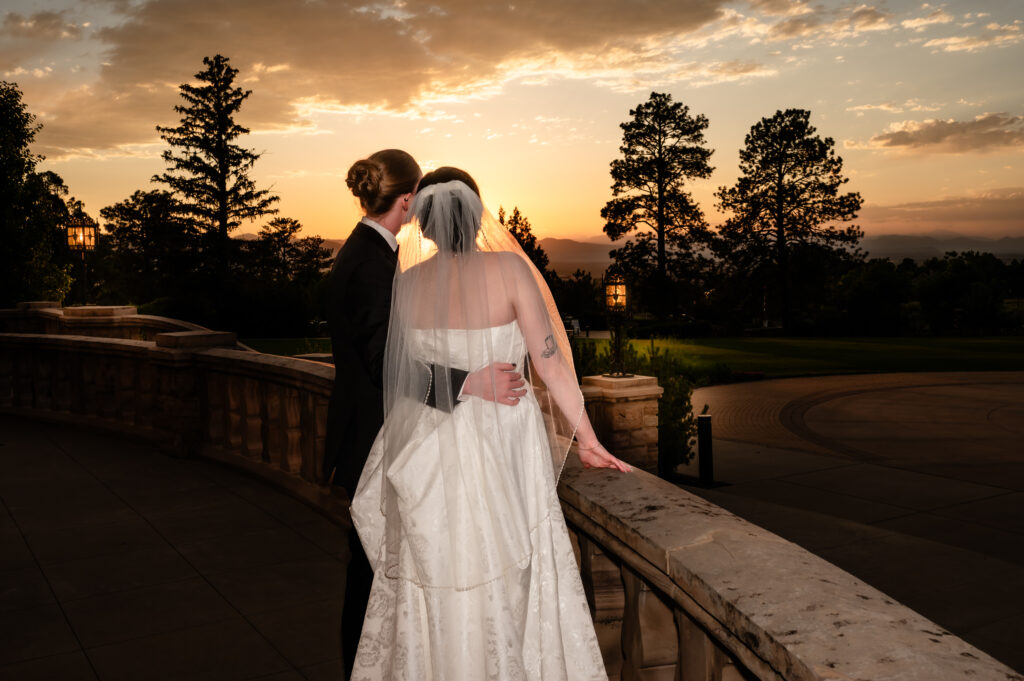
The timing of sunset doesn’t just affect when you’ll get those dreamy, Instagram-worthy shots—it fundamentally shapes the entire mood and style of your wedding photography. Here’s why sunset timing should be the cornerstone of your wedding day timeline.
During golden hour, the sun acts like nature’s very own softbox, creating that coveted warm, even lighting that photographers spend thousands of dollars trying to recreate in studios. Your skin will look smooth and radiant, colors will appear rich and saturated, and any imperfections will be naturally minimized. It’s like having a professional filter applied to real life.
But timing is everything. Miss golden hour by even 30 minutes, and you’ll be dealing with either harsh overhead sun that creates unflattering shadows under eyes and noses, or the rapidly fading light of blue hour, which, while beautiful, creates an entirely different mood and requires different photography techniques.
In Colorado, sunset times vary dramatically throughout the year—from around 5:30 PM in December to nearly 8:30 PM in summer. This means your ceremony and reception timing needs to be planned months in advance, with golden hour as your North Star guiding every decision.
Consider this: if your golden hour window is from 7:00-8:00 PM, you’ll want your ceremony to end by 6:30 PM at the latest, allowing time for family photos before transitioning to those romantic couple’s portraits during the absolute peak lighting conditions. This might mean starting your ceremony at 5:30 PM instead of the traditional 6:00 PM, but trust us—your photo album will thank you.
Creating a wedding timeline that maximizes golden hour requires working backward from sunset and being realistic about how long different portions of your day will take. Here’s how to structure your day for golden hour success.
Start by identifying your sunset time and marking your golden hour window (typically starting 1-2 hours before sunset). This becomes your non-negotiable photo time. From there, work backward to determine when your ceremony needs to end.
Allow 15-20 minutes for immediate post-ceremony celebrations and congratulations from guests. Factor in 30-45 minutes for family formal photos—and be realistic here, as family photos always take longer than expected. This means your ceremony should conclude at least an hour before golden hour begins.
For the ceremony itself, budget 20-30 minutes for the actual service, plus 10-15 minutes for guests to be seated beforehand. If you’re doing a first look, schedule this 2-3 hours before the ceremony to allow time for couples portraits in different lighting, family photos with immediate family, and wedding party shots.
Here’s a sample summer timeline (sunset at 8:00 PM):
Remember, this timeline should be shared with your officiant, wedding party, and family members well in advance. The biggest enemy of golden hour photos? Running behind schedule.

Colorado’s dramatic seasonal changes mean your golden hour strategy needs to adapt throughout the year. Each season brings unique opportunities and challenges that savvy couples can use to their advantage.
Spring weddings (March-May) offer moderate sunset times, usually between 6:30-7:30 PM, making timeline planning relatively straightforward. However, Colorado spring weather can be unpredictable, with potential for late-season snow or sudden afternoon thunderstorms. The payoff? Incredible light against snow-capped peaks and the possibility of capturing blooming wildflowers in your shots.
Summer weddings (June-August) feature the latest sunsets, sometimes as late as 8:30 PM, which can actually work in your favor. You can have a traditional ceremony time and still capture golden hour magic. Summer also offers the most predictable weather, though afternoon thunderstorms are common. The long days mean you might even catch some blue hour shots after golden hour ends.
Fall weddings (September-November) are golden hour gold mines. Not only do you get that perfect warm light, but Colorado’s famous aspen leaves create a natural golden backdrop that amplifies the effect. Sunset times gradually move earlier, from around 7:30 PM in early September to 5:00 PM by late November. Fall weather is generally stable, but temperatures can drop quickly after sunset.
Winter weddings (December-February) present the biggest timeline challenges, with sunset as early as 4:40 PM in December. This might mean a 3:00 PM ceremony, but the payoff can be extraordinary—golden hour light on snow-covered landscapes creates an ethereal, almost otherworldly beauty. Plus, your guests will appreciate the earlier timeline during Colorado’s shortest days.
Pro tip: regardless of season, always check the specific sunset time for your wedding date and location. Mountain towns can have significantly earlier “effective” sunsets due to surrounding peaks blocking the sun.
Even with perfect planning, Colorado weather can throw curveballs. Afternoon thunderstorms, unexpected cloud cover, or early-season snow can all impact your golden hour plans. But here’s the thing—cloudy conditions aren’t necessarily photo disasters. They’re just different opportunities.
Overcast skies act like a giant softbox, providing incredibly even, flattering light that’s actually easier to work with than bright sunshine. Colors appear more saturated, and you won’t have to worry about squinting or harsh shadows. Some of the most romantic, moody wedding photos happen on cloudy days.
If rain threatens during your golden hour window, have an indoor backup location selected in advance. Large windows, covered porches, or even elegant indoor spaces can provide beautiful alternatives. Your photographer can use artificial lighting to recreate some of that golden warmth indoors.
For partial cloud cover, timing becomes even more critical. Clouds moving across the sun can create dramatic, ever-changing light that adds incredible mood to photos. Stay flexible and be ready to move quickly when gaps in the clouds appear.
The key is communication with your photographer. Experienced Colorado wedding photographers have shot in every possible weather condition and can adapt quickly to changing circumstances. They know how to use dramatic skies, snow, or even light rain to create stunning, unique images that perfectly capture the day’s mood.
Consider having a “weather call” with your photographer the morning of your wedding to discuss any necessary timeline adjustments. Sometimes moving golden hour portraits 30 minutes earlier or later can mean the difference between good photos and absolutely spectacular ones.
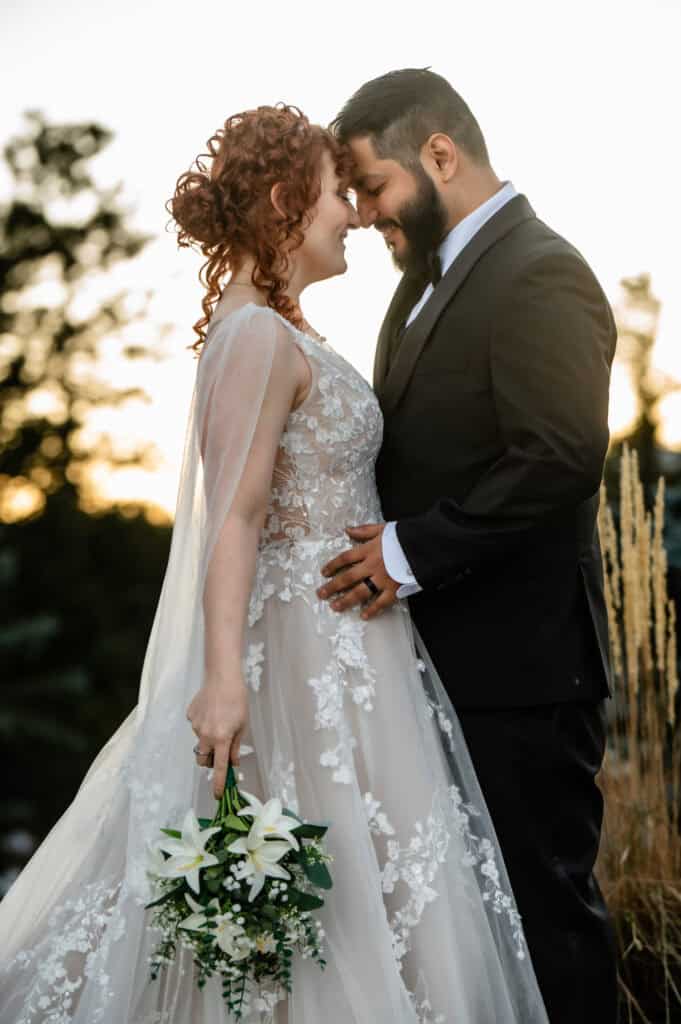
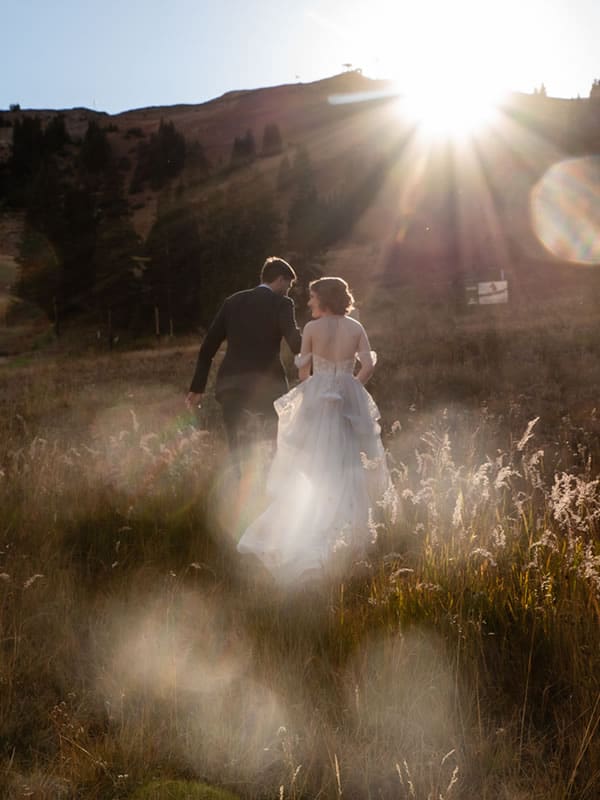
Your wedding day will be filled with countless precious moments, but golden hour offers something truly special—the chance to pause, breathe, and create images that will transport you back to exactly how you felt in that perfect moment for the rest of your lives.
Don’t let golden hour be an afterthought in your wedding planning. Make it the centerpiece around which your entire timeline revolves. Yes, it might mean adjusting some traditions or having slightly earlier ceremonies during certain seasons. But when you’re looking at photos that literally glow with warmth and love, you’ll know it was worth every scheduling adjustment.
Ready to make golden hour magic happen at your Colorado wedding? Let’s start planning a timeline that puts you and your partner in the most beautiful light possible—literally. Because your love story deserves to be captured in all its golden glory, with the stunning Colorado landscape as your witness.
Contact us today to discuss how we can design your wedding day timeline around those precious golden moments. After all, the best lighting in the world is only available for a short window each day—let’s make sure we capture every second of it.
